Table of Contents
Powerful Performance of the Loncin 764CC Gasoline Engine
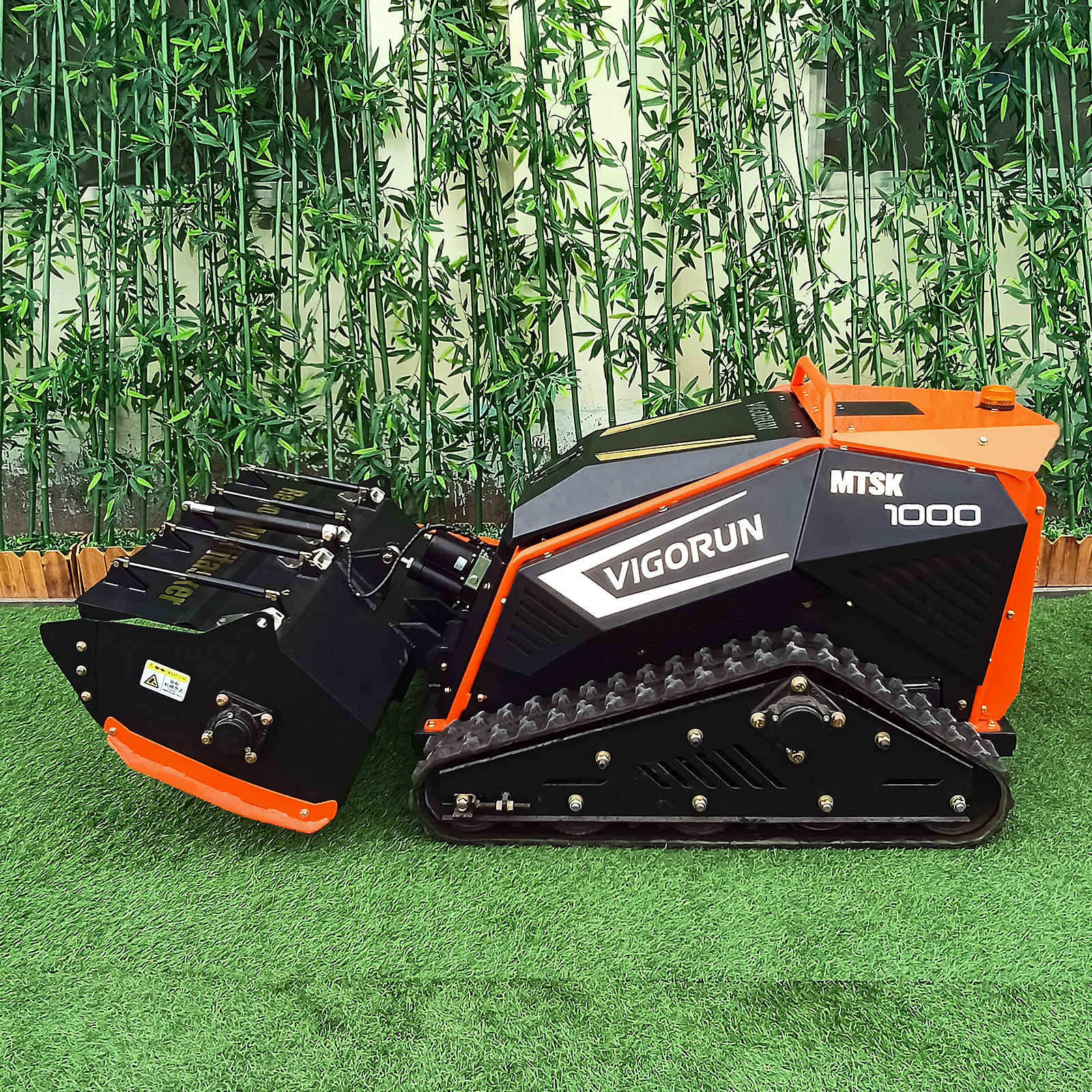
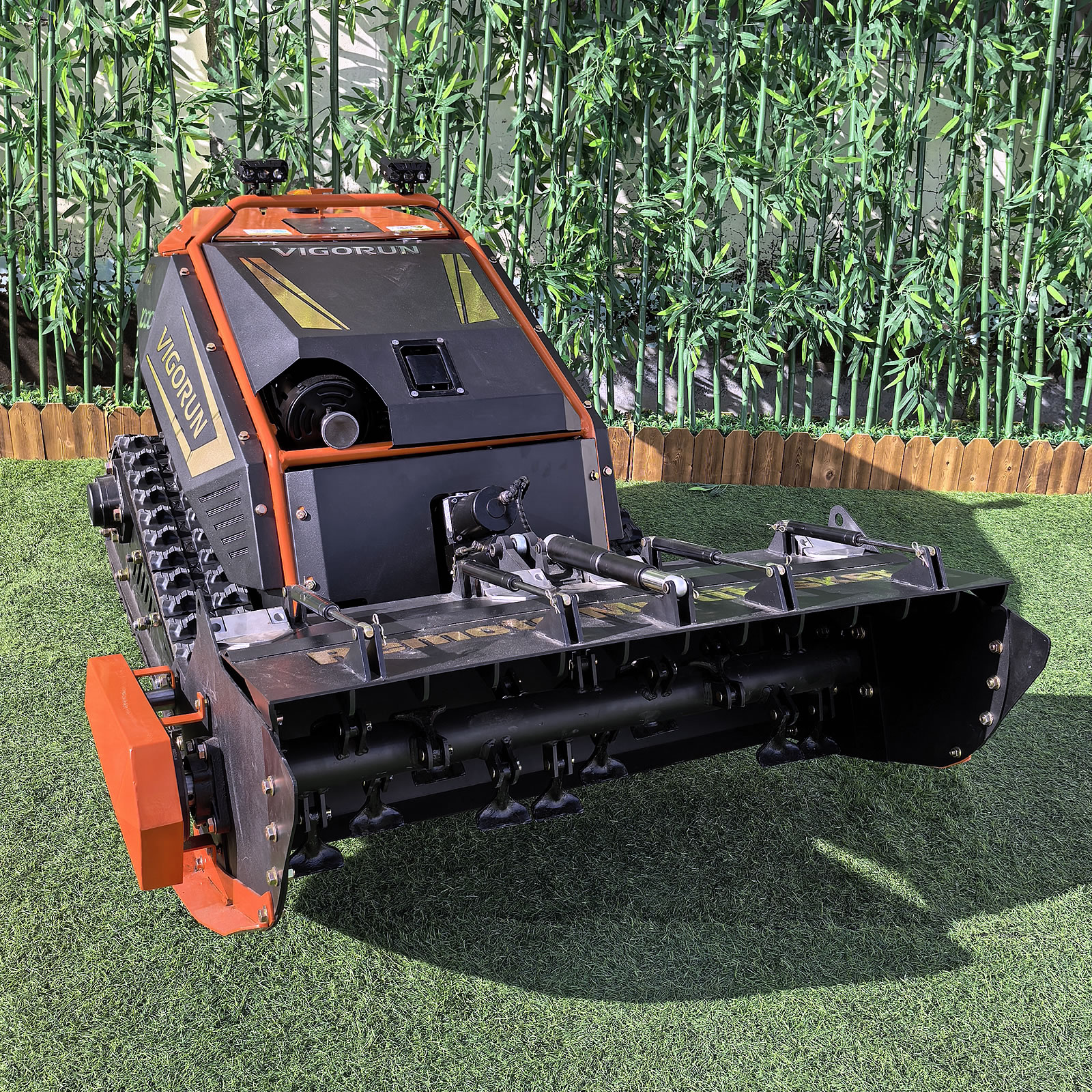
The Loncin 764CC gasoline engine long distance remote control tracked wireless radio control lawn mulcher is equipped with a high-performance V-type twin-cylinder gasoline engine. This engine, branded as Loncin model LC2V80FD, boasts a rated power of 18 kW at 3600 rpm. Its robust design ensures that users experience exceptional performance, making it perfect for various lawn care and maintenance tasks.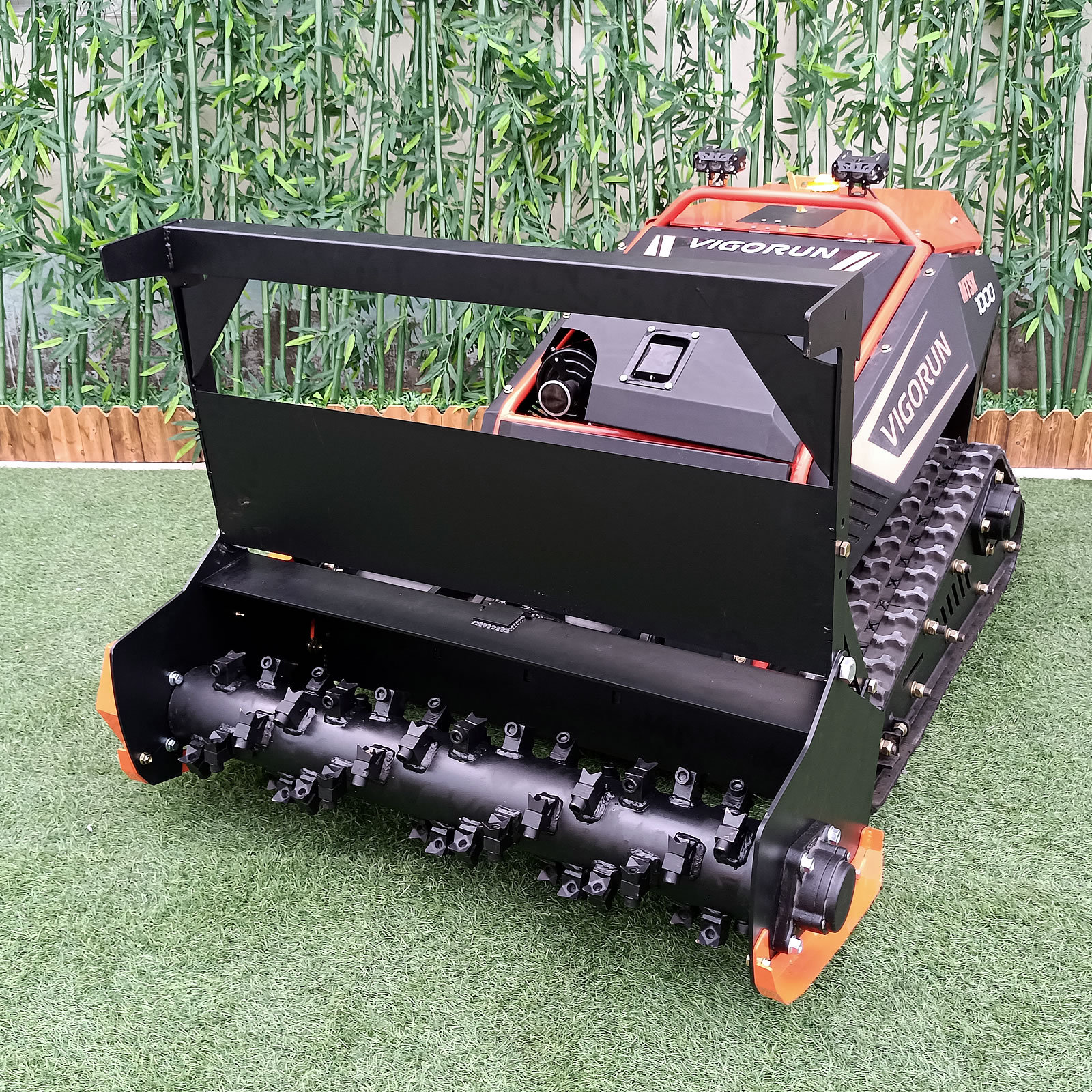 With its impressive output of 18 kW, this engine is designed to tackle even the most challenging environments. The clutch system engages only when the engine reaches a predetermined rotation speed, providing efficient power delivery while conserving energy during less demanding operations. This feature not only enhances the machine’s performance but also contributes to its durability.
 The engine’s construction includes advanced safety mechanisms. For example, the machine’s built-in self-locking function ensures that it only moves when both power is on and throttle is applied. This prevents unintended sliding, greatly enhancing operational safety and giving operators peace of mind during use.
Versatile Functionality and Intelligent Control
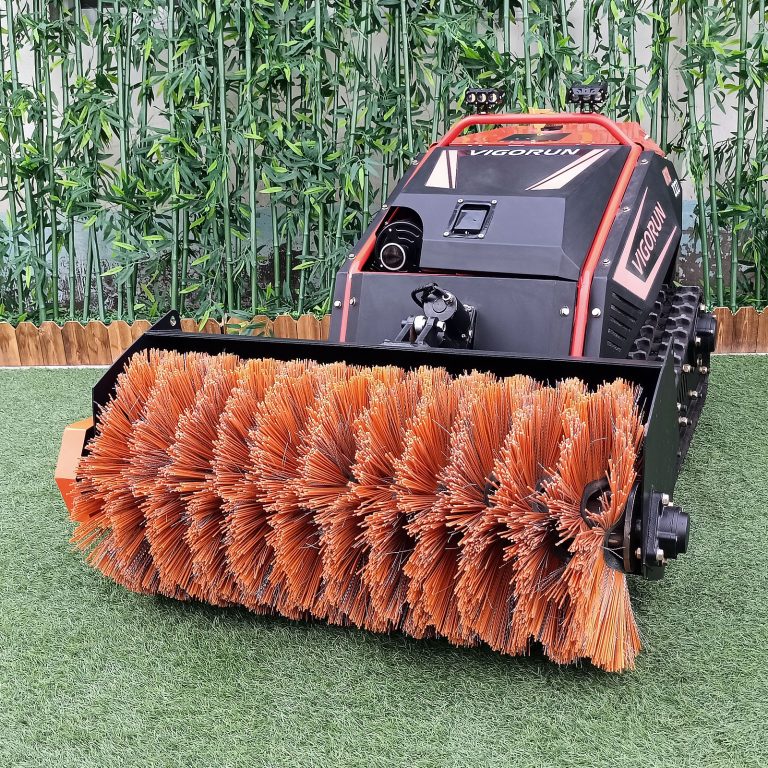
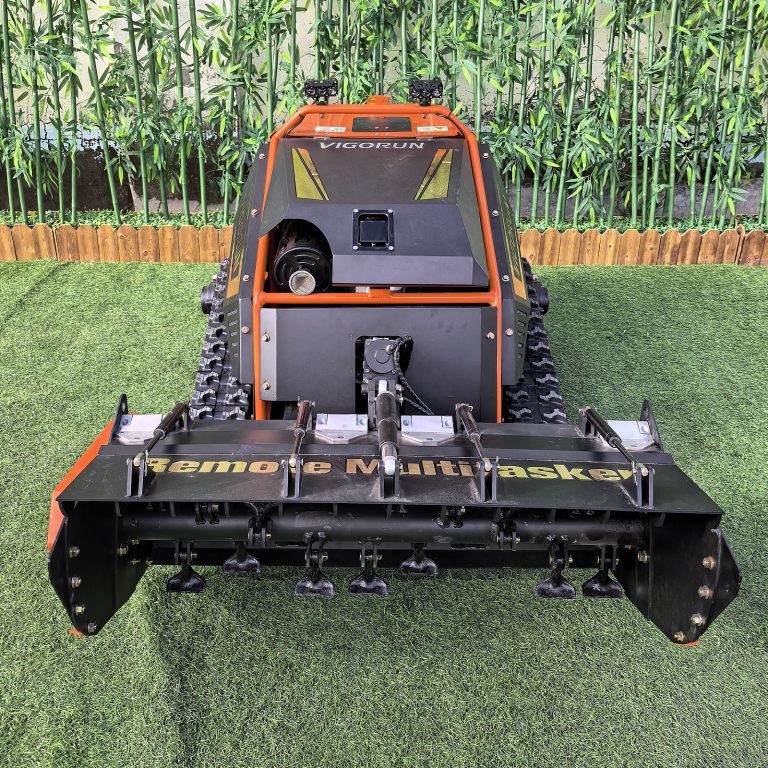
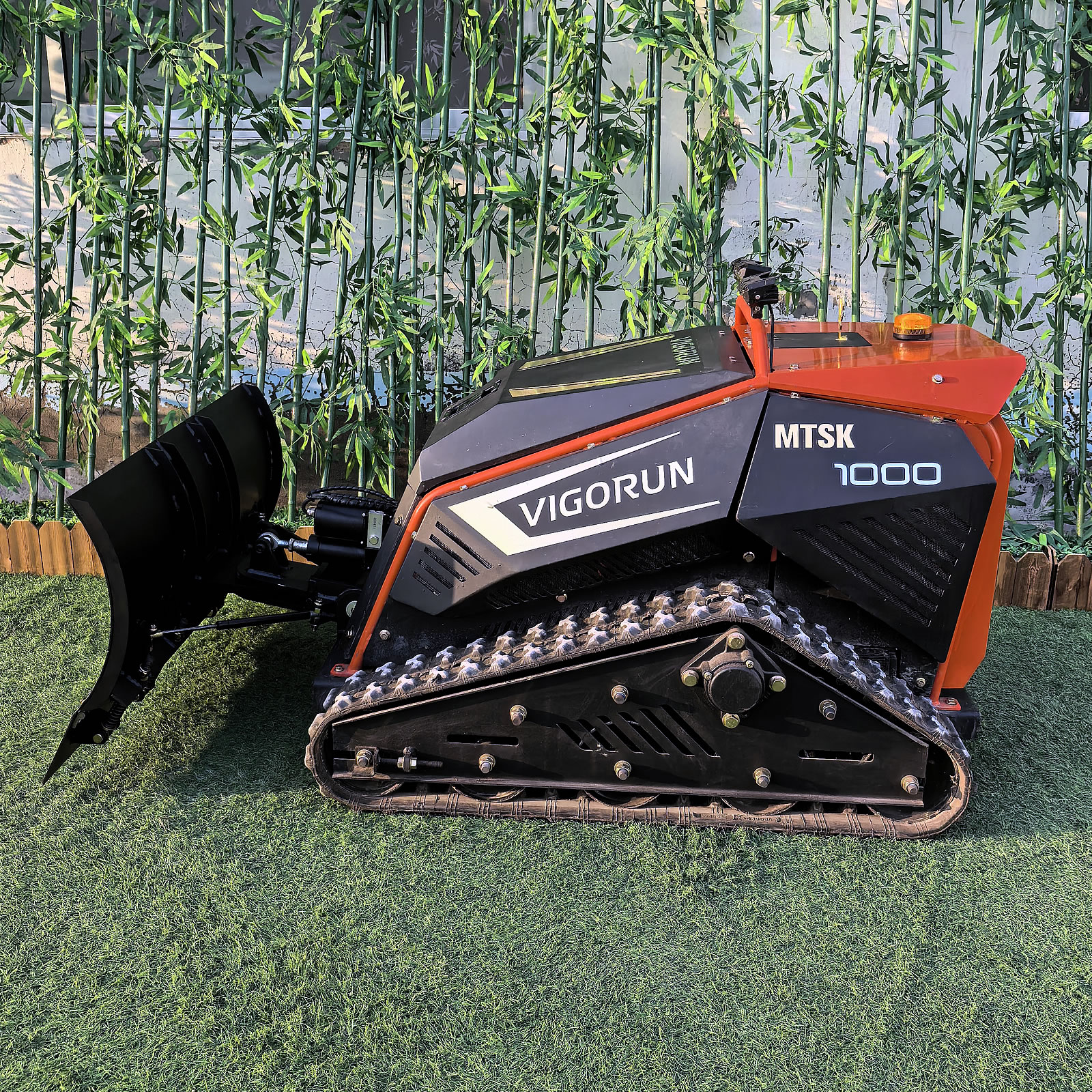
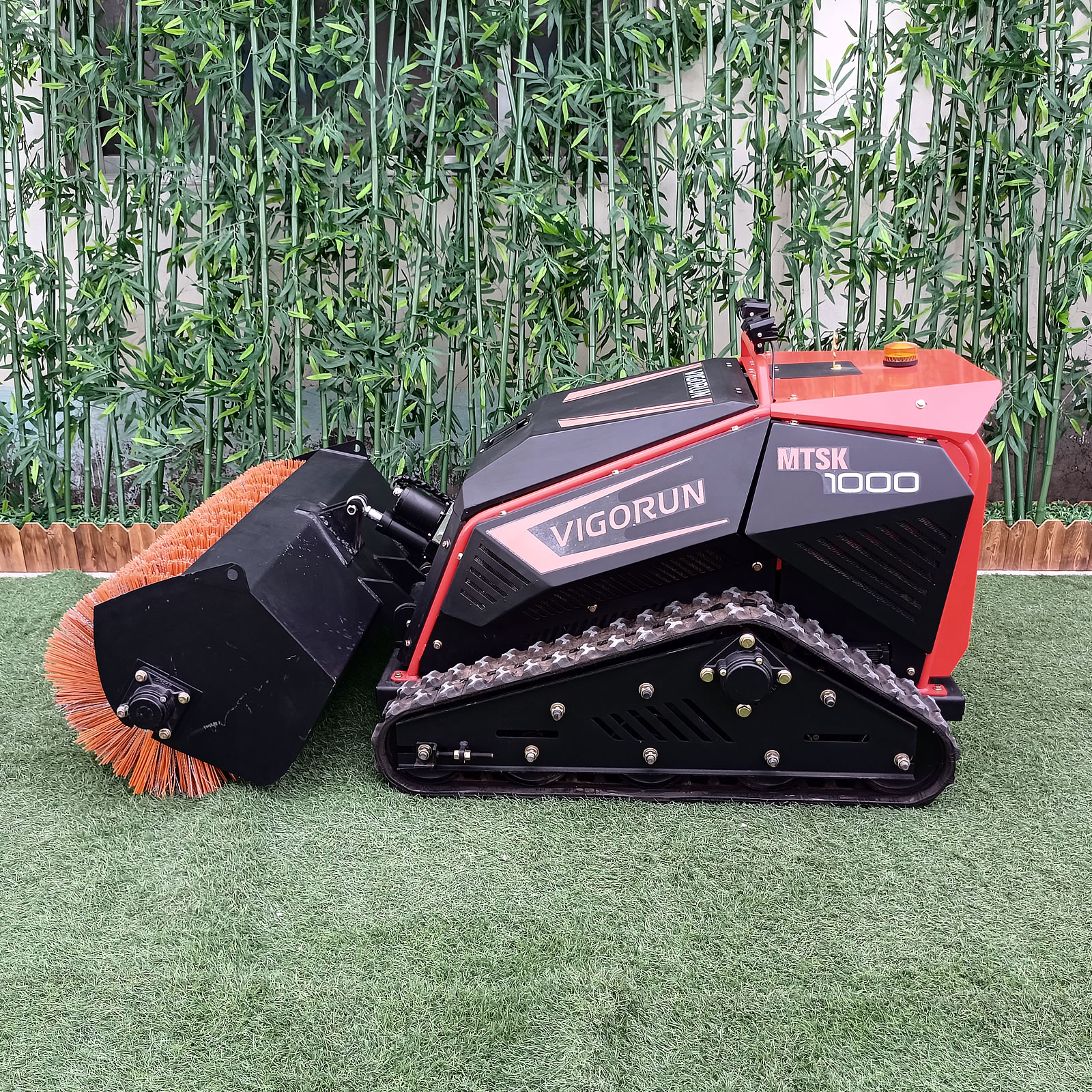
The innovative design of the Loncin 764CC gasoline engine long distance remote control tracked wireless radio control lawn mulcher allows for multi-functional use with interchangeable attachments. Users can choose from a variety of front attachments, including a 1000mm-wide flail mower, hammer flail, forest mulcher, angle snow plow, or snow brush. This versatility makes it ideal for heavy-duty grass cutting, shrub and bush clearing, vegetation management, and snow removal. Equipped with two powerful 48V 1500W servo motors, this machine delivers exceptional climbing capability and overall performance. The intelligent servo controller precisely regulates motor speed and ensures synchronized movement of the left and right tracks, enabling the mower to travel in a straight line without constant adjustments. This minimizes operator workload and reduces the risks associated with overcorrection, especially on steep slopes.